
How to Prevent Frozen Pipes in Niagara Winters
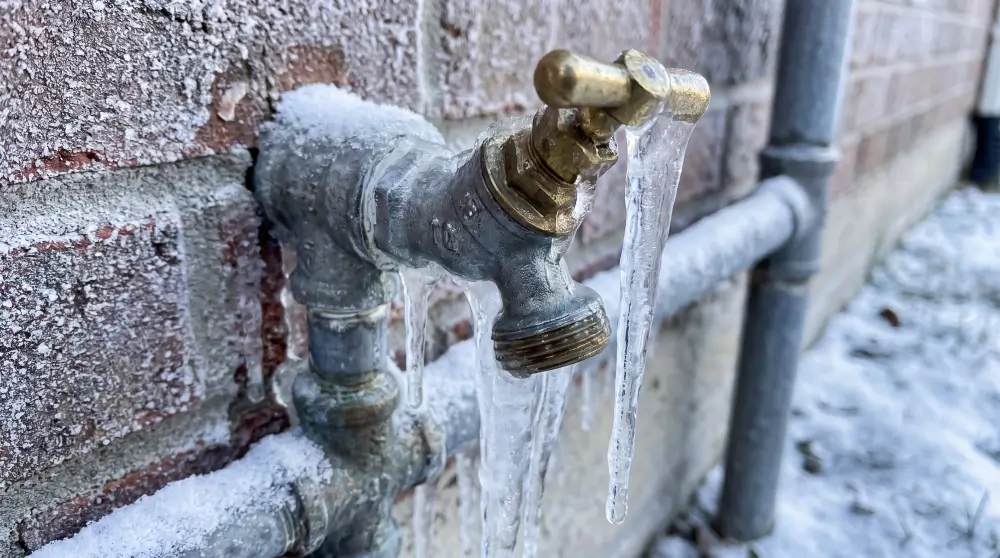
As temperatures in Niagara fall below freezing, water in pipes can freeze. As the water freezes and expands, this can cause cracks and leaks in the pipes. In worst-case scenarios, a pipe may rupture, causing water to leak into your basement, walls and/or floors.
Even if temperatures within your home are warm, pipes located in cold areas such as basements, garages, crawl spaces and external walls may still freeze.
Taking measures to prevent pipes from freezing in the winter can help avoid expensive plumbing issues. If you live in Niagara Falls, St. Catharines, Welland or any other locations within the Niagara Region, you can follow the tips below to protect your pipes from freezing:
Why Do Pipes Freeze in Winter?
Pipes freeze when surrounding air temperatures fall below freezing. This is common in areas with poor heating/insulation within the home. Be mindful of pipes in the following locations:
- BasementsWater pipes near external walls, windows and in cold corners of basements can be very cold.
- GaragesIn attached garages, pipes may be exposed to cold temperatures. If the garage door is left open for long periods of time, this can cause issues.
- External wallsIn kitchens and bathrooms with poor insulation, pipes may freeze after prolonged cold periods.
- Crawl spacesThese areas often have little heating, and so exposed pipes can freeze.
- Garden tapsWater left in garden hoses and external taps can freeze, causing damage to pipes connected to them.
How to Prevent Pipes Freezing
1Insulate Exposed Pipes
Look for exposed pipes in your basement, garage, crawl space and other areas where heating is not regularly applied.
To insulate these pipes, fitting foam pipe insulation is an easy solution. These can be purchased from most hardware stores. Measure and cut the insulation to suit the length of your pipes. Wrap the exposed pipes. Be careful to insulate pipes near external walls, windows and foundations. Ensure there are no gaps around bends and joints in the pipes.
Although pipe insulation will reduce heat loss, it will not add new heat. If there are gaps in other areas of the home allowing cold air in, make sure to also seal these.
2Remove Garden Hoses
One common cause of plumbing issues in the winter is leaving garden hoses attached to external taps.
Water may be trapped in the garden hose and external tap connection. This can cause damage to the external tap and internal pipes once it freezes. To avoid this issue, do the following before temperatures drop:
- Remove garden hoses from external taps.
- Locate the internal shut off valve for each external tap.
- Turn the water off to the external pipe.
- Open the external tap to allow remaining water to drain.
- If you have frost free taps, ensure you follow the manufacturer's guidance.
Even if you have frost free taps on external taps, leaving a garden hose attached can mean they do not drain fully. To avoid this, ensure that garden hoses are disconnected from external taps.
3Keep House Warm
If you reduce the temperature of your house whilst away, it may cause issues with your plumbing.
To avoid this issue, ensure that your heating continues to operate in your home with consistent temperatures. The City of Niagara Falls recommends setting the minimum temperature in your house to 12°C (55°F) during the winter.
Some homes may need to be set to a higher temperature. If there are pipes running through poorly insulated areas of the home, you may require a higher temperature.
If you are going to be away for just a few days, do not turn your furnace off. In addition, make sure that temperatures in your basement and other areas with exposed plumbing are adequate. Even if the temperature in your main living area is warm, there may be cold temperatures in parts of pipework near external walls.
4Leave Cabinet Doors Open
In kitchens and bathrooms, if sinks are installed in external walls, pipework under the sink may be exposed to cold temperatures.
During particularly cold nights, leave cabinet doors open to help expose pipework to the warm air in the room. This can prevent the temperature in cabinets from getting too cold.
Doing this during a lengthy period of cold weather can help. Just be sure to move any harmful cleaning products out of reach of children/pets.
5Seal Cracks Around Pipework, Windows and Doors
If cold air is entering around piping, adding insulation may not be very effective. Check for gaps in the following areas within basements and garages:
- Around windows and external doors
- Where pipework enters through walls
- Dryer vents and service connections
- Around foundation walls
- Garage doors and frames
To seal small gaps, apply an appropriate sealing product. If there are large gaps, fit an appropriate insulation material. If there are large cracks in the foundations of the house, or water is getting into the basement, have this area checked by a professional. Simply sealing the gap may not be enough.
6Let Water Run Slowly from Susceptible Taps
In extremely cold weather, running water slowly from susceptible taps can reduce the likelihood of the pipes freezing.
Water moving through the pipes is less likely to freeze than static water. In addition to this, if ice does form in the pipe, letting water run slowly can help relieve pressure in the pipe.
Choose a tap which has pipework running through external walls or cold areas. However, you don’t need to let all taps run. If it becomes very cold, and you think that there may be issues with your pipework, try letting the water run from a tap. Bear in mind this measure should not be used in place of proper insulation and heating.
7Check Pipework Before Going On Holiday
If you are going to be away from home for a short period of time, take a quick look at your pipework to prevent issues. Do the following:
- Ensure heating is running at an appropriate temperature.
- Disconnect garden hoses and drain external taps.
- Check for leaks or damage in exposed pipework.
- Leave cabinet doors open under sinks near external walls.
- Know where your main water shut off valve is.
- Ask someone in your local area or a relative to check your home while you are away.
If you are going to be away for a long time, check with your insurance provider. Some policies require certain heating measures to be in place and regular checks on properties whilst they are unoccupied.
Signs That Pipes Are Freezing
Before pipes rupture, there may be signs that they are beginning to freeze. Be aware of changes in water flow, and visually identify any ice. Common signs include:
| Warning Sign | What It Could Mean |
|---|---|
| Water comes out slowly | Ice may be blocking part of the water line. |
| No water from one faucet | The pipe supplying that fixture may be frozen. |
| Frost on exposed pipes | The pipe has been exposed to freezing temperatures. |
| Strange noises from pipes | Ice may be restricting the movement of water. |
| Damp patches near plumbing | A pipe may have cracked or started leaking. |
If only the kitchen tap has stopped working, but the bathroom taps are working normally, then it is likely that only the kitchen pipework is frozen.
If multiple taps cease to work, then a larger section of pipework or incoming supply may be causing the issue.
Do not ignore these signs. If a pipe becomes frozen, it can crack due to pressure. You may not notice a leak until the ice begins to thaw.
What to Do If Pipes Have Frozen
If you turn on a tap and either very little or no water flows, your pipes may have frozen. Follow the steps below.
- 1
Step 1: Check Other Taps
Turn on a few taps around the house. If only one tap is not working, it may be that a short section of pipework near the tap is frozen. If multiple taps are not working, the blockage may be further along the pipework.
- 2
Step 2: Find Frozen Area
Check for frost, ice or excessively cold pipework in exposed pipework in your basement, under kitchen/bathroom sinks, and in other accessible areas.
- 3
Step 3: Turn Tap Slightly On
Turn the affected tap on slightly. This means water will be able to escape as the ice thaws. It can also help relieve pressure in the pipe.
- 4
Step 4: Apply Warmth Gently
If possible, gently warm the frozen area using a hairdryer, hot pad or warm cloths. Be careful not to put electrical items near water. Do not leave heating devices unattended.
- 5
Step 5: Contact a Plumber
If you are unable to find the frozen section, or the frozen pipework is behind a wall/floor, contact a plumber. Attempting to access frozen pipework in these locations without the correct equipment can cause further issues.
However, if the pipe has burst, or you can see water leaking from the pipe, immediately turn off the main water supply in your home and get emergency plumbing services.
When to Contact a Plumber
If pipework is frozen in hard to reach areas (within walls, under floors or underground), it can be difficult to fix without plumbing assistance. Contact a plumbing professional if:
- You are unable to locate the frozen section.
- Multiple taps are not working.
- You can see water staining on walls/ceilings.
- A pipe has cracked/ruptured/leaked.
- Water continues to freeze in your pipework despite insulation.
- You suspect freezing in the underground water service.
A plumber can locate the issue and check if there are any cracks. They can then make the required repairs. If the same pipework freezes every year, ask advice on how to improve insulation, or otherwise make permanent changes to protect this pipework.
Prevent Frozen Pipes in Your Home with Niagara Falls Plumbing and Sewer
If pipes in your home freeze and crack/rupture, water can cause damage to many parts of your home, such as dry lining, flooring, insulation, furniture and more. If issues are not picked up quickly, costs to repair the damage can increase rapidly.
At Niagara Falls Plumbing and Sewer, we can help you with all plumbing issues in your home, including burst pipes and emergency plumbing. Our licensed and insured plumbers are available 24/7.
If you have frozen water pipes, leaking pipes or need burst pipe repairs, our team can come to identify the issues and recommend solutions.
Contact Niagara Falls Plumbing and Sewer on (289) 222-0606 for plumbing services in Niagara.